
By Godwin Owusu Frimpong
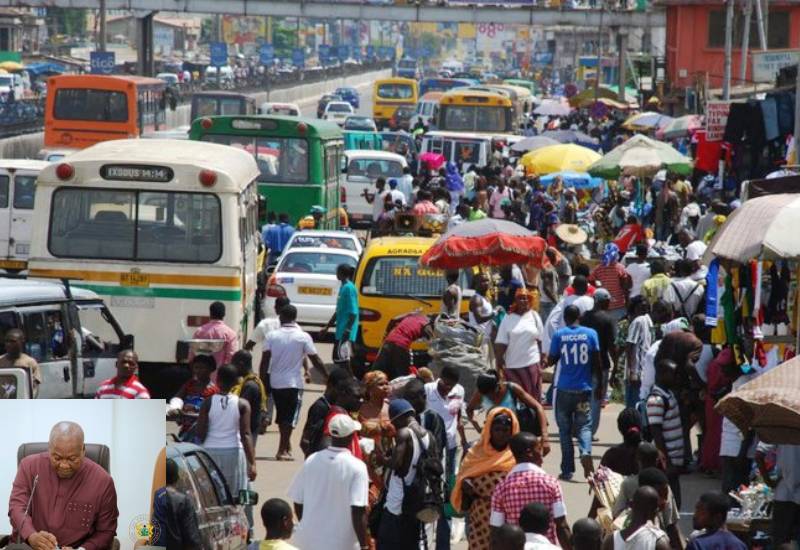
President John Mahama’s ambitious promise of a 24-hour economy, a cornerstone of his campaign to revitalize Ghana’s struggling economy, is under intense scrutiny as reports of mass dismissals across the public sector emerge. The juxtaposition of a grand vision for job creation with accusations of widespread firings raises serious questions about the President’s true economic strategy and the potential impact on ordinary Ghanaians.
Mahama, who secured a decisive victory in December promising to improve living standards after years of economic turmoil and a crippling debt crisis, has touted the 24-hour economy as a game-changer. The concept, inspired by successful models in cities like Sydney, Toronto, and New York, envisions a round-the-clock operation of businesses and services, aiming to boost economic growth, enhance public services, and improve the quality of life. Economists have seen it as a strategic alliance that can salvage Ghana from its economic doldrums.
However, these promises are now being overshadowed by a growing chorus of criticism regarding alleged politically motivated dismissals. The opposition Minority has gone so far as to brand President Mahama “Terminator 1,” accusing his administration of systematically sacking young Ghanaians from public sector jobs to make way for party loyalists.
“It is now a notorious fact,” declared former Finance Minister Dr. Mohammed Amin Adam, “that, to create vacancies for the purpose of employing NDC youth, the Mahama administration has sacked thousands of young Ghanaians who had been properly employed by the previous administration.” He argued that simply replacing dismissed workers with new hires does not constitute genuine job creation, a sentiment echoed by many Ghanaians struggling to make ends meet.
The Minority also dismissed Mahama’s proposed job creation initiatives as unsustainable. The question on everyone’s mind is that; can President Mahama’s 24-hour economy truly deliver on its promise of widespread job creation, or will it be undermined by politically driven personnel changes that ultimately leave more Ghanaians unemployed and disillusioned? Only time will tell if Mahama’s vision will translate into tangible benefits for the nation, or if it will become another broken promise in Ghana’s long history of economic challenges.
Godwin Owusu Frimpong