
By Godwin Owusu Frimpong
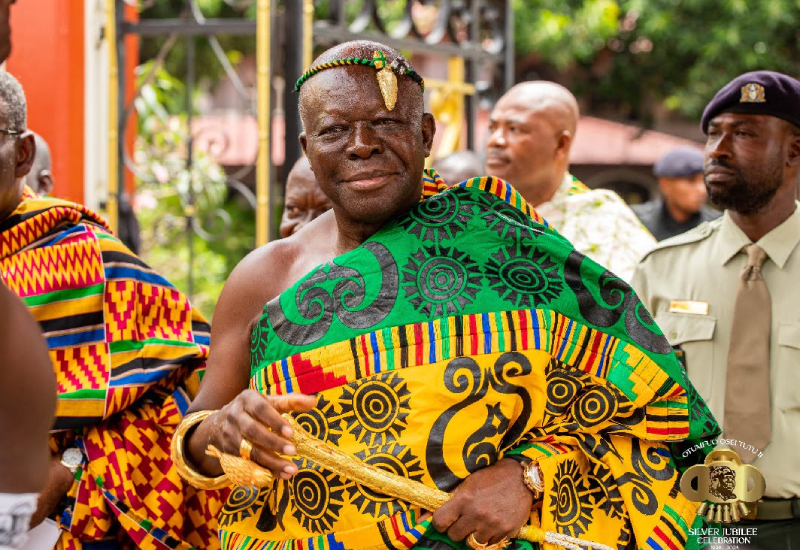
Asantehene Otumfuo Osei Tutu II stands as a guiding light of wisdom in Ghana, his insight a last stronghold against the storms of ethnic conflict that often elude governmental resolution. His proven ability has, ironically, cultivated both profound respect and simmering resentment amongst some traditional leaders. Why him, they wonder? Why is it that when deep-seated tribal animosities threaten to engulf the nation, it is Otumfuo’s counsel that is sought, his mediation that is trusted?
The answer lies in his unparalleled track record, most notably exemplified by his instrumental role in resolving the decades-long Dagbon chieftaincy crisis. Where others faltered, Otumfuo forged reconciliation, proving his unique capacity to navigate the treacherous currents of tradition, power, and historical grievance.
Now, as he embarks on renewed mediation efforts in the Bawku chieftaincy conflict, his commitment to peace is once again tested. Meeting with the Kusaug Traditional Council, Otumfuo carries the weight of a nation’s hope on his shoulders.
His mission is not without peril. His very success breeds envy, and those who would undermine his authority seek to disrupt his efforts. Yet, Otumfuo remains steadfast, his legacy as a peacemaker etched in the annals of Ghanaian history. He understands that true leadership lies not in wielding power, but in fostering unity, and that lasting peace can only be built on a foundation of trust and understanding. His continued efforts in Bawku are a testament to this unwavering belief, a beacon of hope in a region desperately seeking respite from conflict.
Godwin Owusu Frimpong